
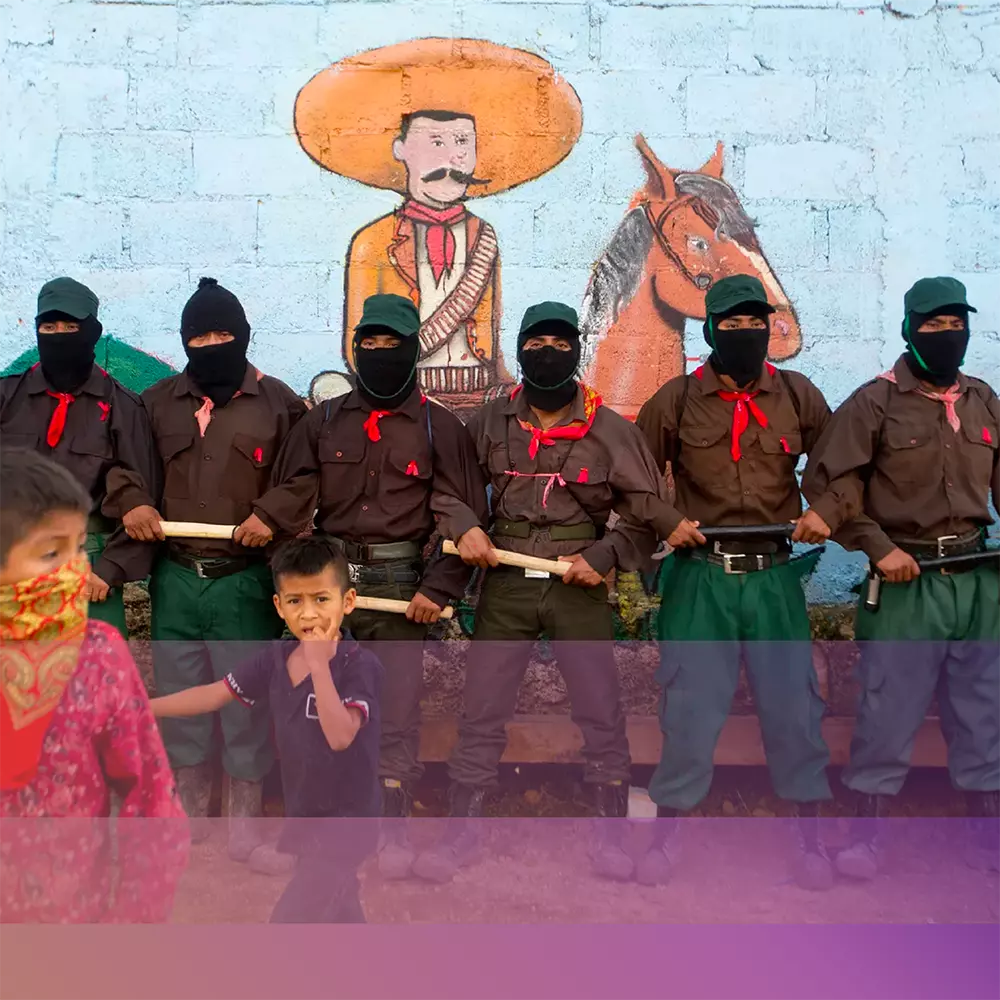
On January 1, 1994, the concept of Zapatismo arrived when a resistance group took up arms and seized several towns in Chiapas, Mexico. The group primarily consisted of a band of separate and mixed Indigenous tribes with their own customs including Ch’ol, Tzeltal, Tzotzil, Tojolobal, Mam, and Zoque. The event made headlines worldwide and sparked a movement for Indigenous rights, autonomy, and social change.
Category: Education
Once Upon a Time in Tongvaland

Ask the average American if they have heard of Los Angeles, California and there is a good chance that it will be answered with a rhetorical question.
Five Ways to Navigate a Challenging Conversation With Relatives
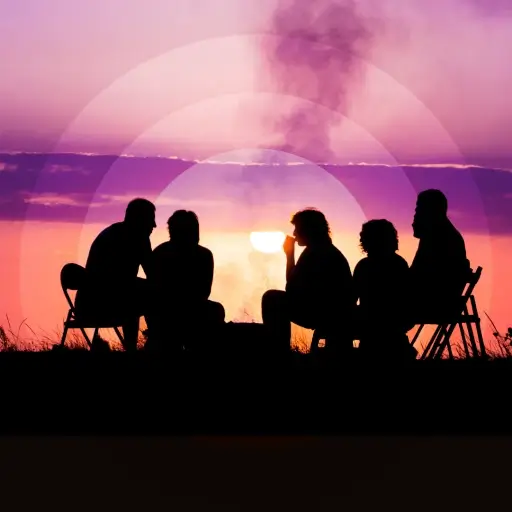
For many individuals in recent times, gathering at the dinner table has been corrupted by polarizing topics of conversation that often lead to toxic dialogue. Politics, in particular, have been an alarming source of feuding, as mentioned by Tovia Smith in a 2020 episode of NPR’s
Who is Benito Santos? The Designer Behind the 2022 Dia De Los Muertos Barbie Doll

Whether you are a Barbie collector or not, news of the limited edition Día De Los Muertos doll has stores selling out and knowledge of the historical and cultural holiday at its peak.
Getting Started on Your Genealogy Journey
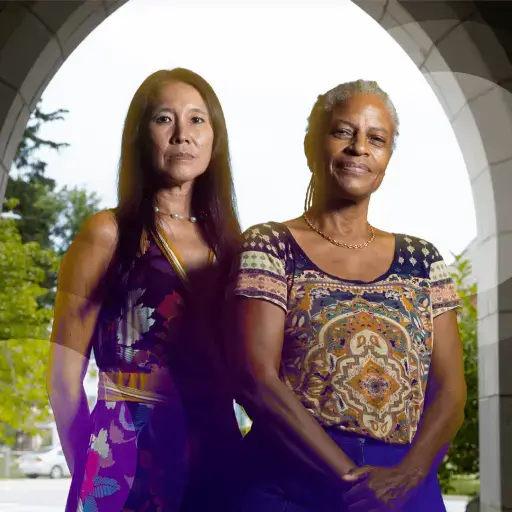
Many individuals of mixed identity can relate to the resentment or confusion produced by checking off racial categories from data collection entities like the U.S. census. Many within a diaspora do not understand their ethnic origins but are often forced to work with constricting identity labels.
Chapters to Read from bell hook’s Book Where We Stand: Class Matters
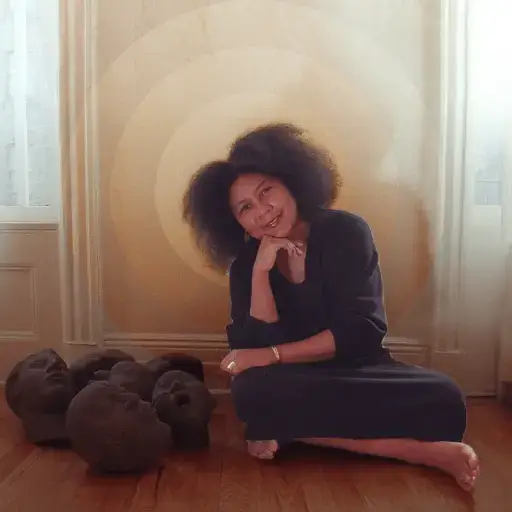
As the late author, social activist, and Distinguished Professor bell hooks(1952-2021) opens with this statement in the preface of her book, Where We Stand: Class Matters, she sets the tone for her argument that class oppression is a hidden evil less readily discussed than sexism and racism.
September Zoom Meetup Recap | Family Values & the Meaning of Success
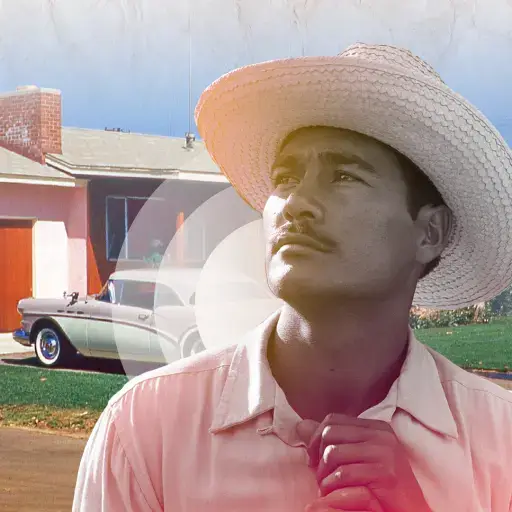
The September Meetup explored the many perceptions of class and its effect on our familial relationships and generational shifts. We asked our audience in a journaling exercise: What is your definition of success?
Why Do We Want the Hair We Don’t Have? It’s Not a Coincidence; It’s Colonization
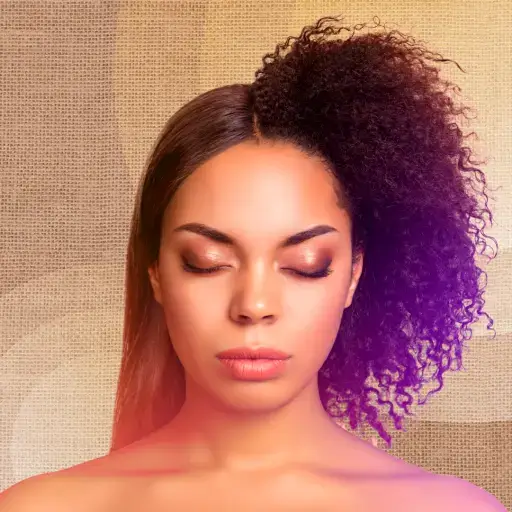
Our hair is often misunderstood—even by us. As mixed, Black, Asian, Latinx, and Indigenous folks, the distinctive nature of hair, when met with societal expectations to assimilate, leaves many at an impasse.
Snipping Colonization: Putting an End to Hair Discrimination
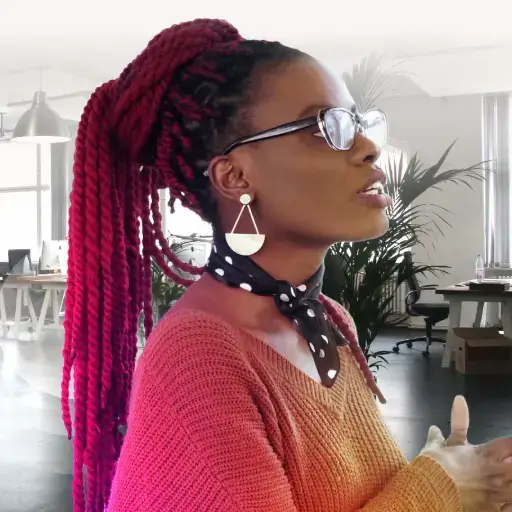
For many Americans, hair isn’t “just hair.” It has the power to get a person through doors and block them from an opportunity. While many companies are building diverse workspaces with a more relaxed dress code, welcoming everything from sleeve tattoos to alternative hair colors, the vast majority continue to uphold policies exemplifying gross discrimination against natural hair.